0
Skip to Content
BeaverBrookStoneworksLLC.com
Why Dry Stone?
About
Gallery
Contact
BeaverBrookStoneworksLLC.com
Why Dry Stone?
About
Gallery
Contact
Why Dry Stone?
About
Gallery
Contact
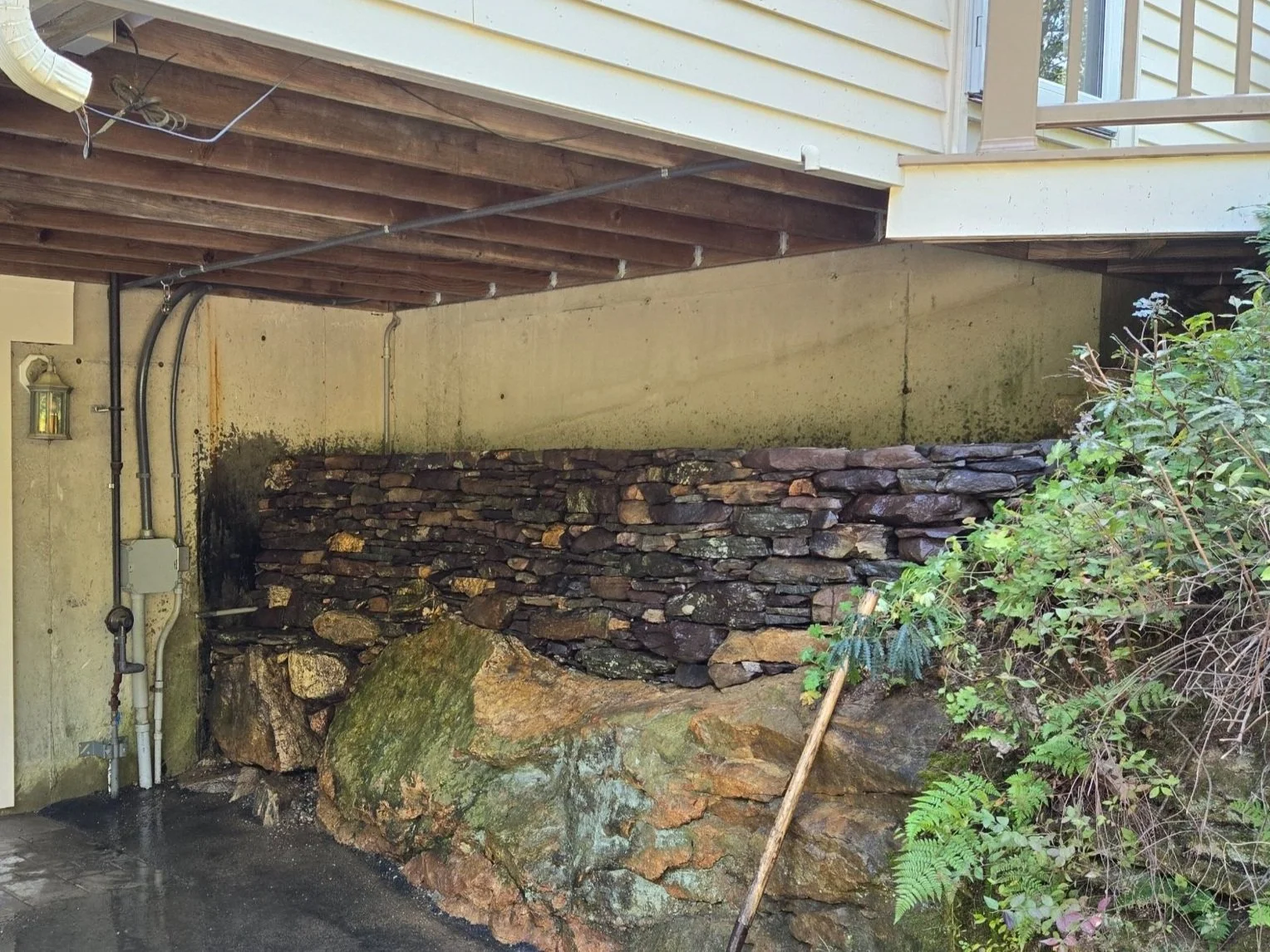
wall_repair.jpg
stonewall.jpg
natural_stonewall.JPG
block_wall_granite_steps.jpg
retaining_wall.JPG
stonewall_with_steps.jpg
freestanding_wall.jpg
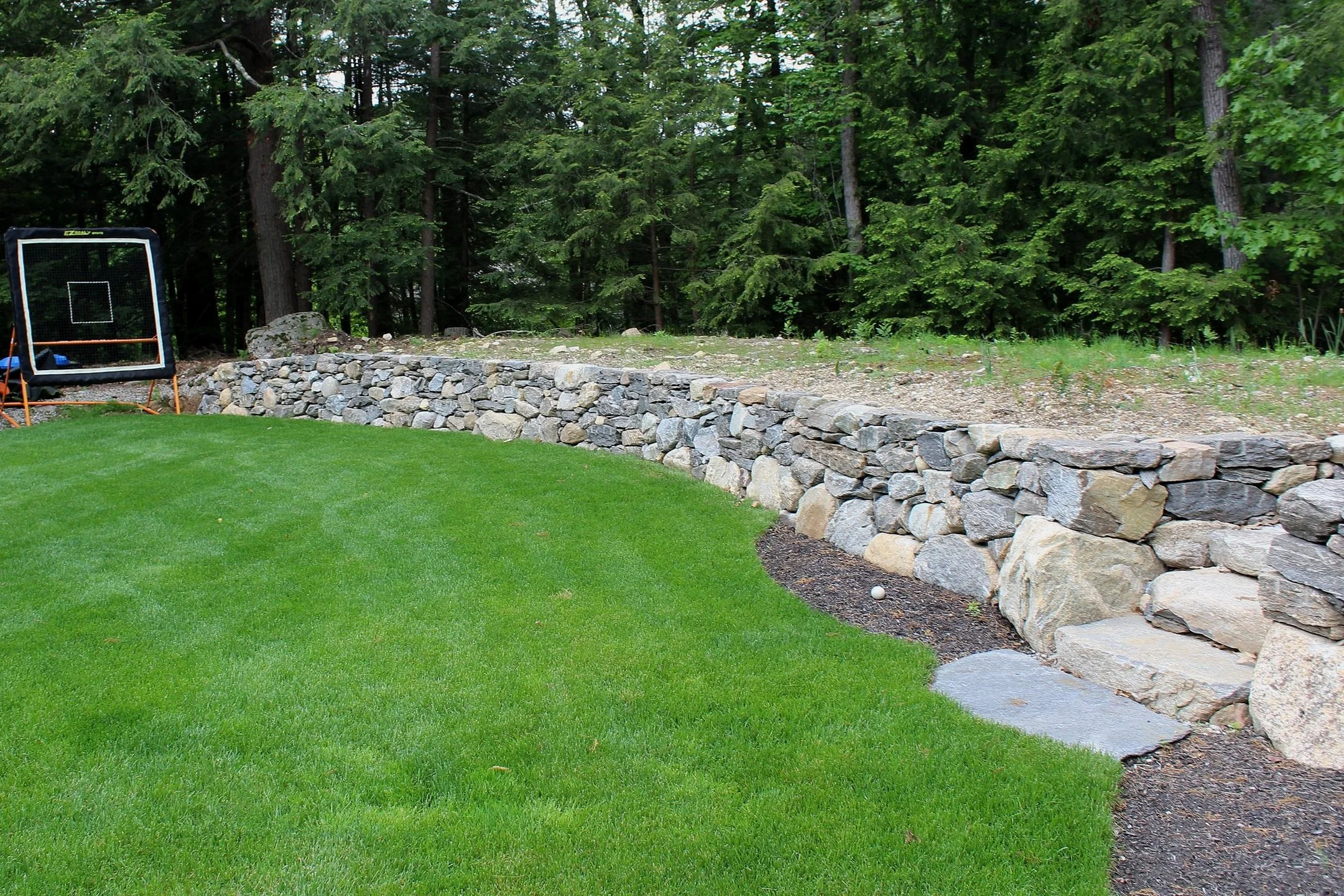
curved_stonewall.jpg
wall_with_steps.jpg
stone_stoop.jpg
veneer.jpg
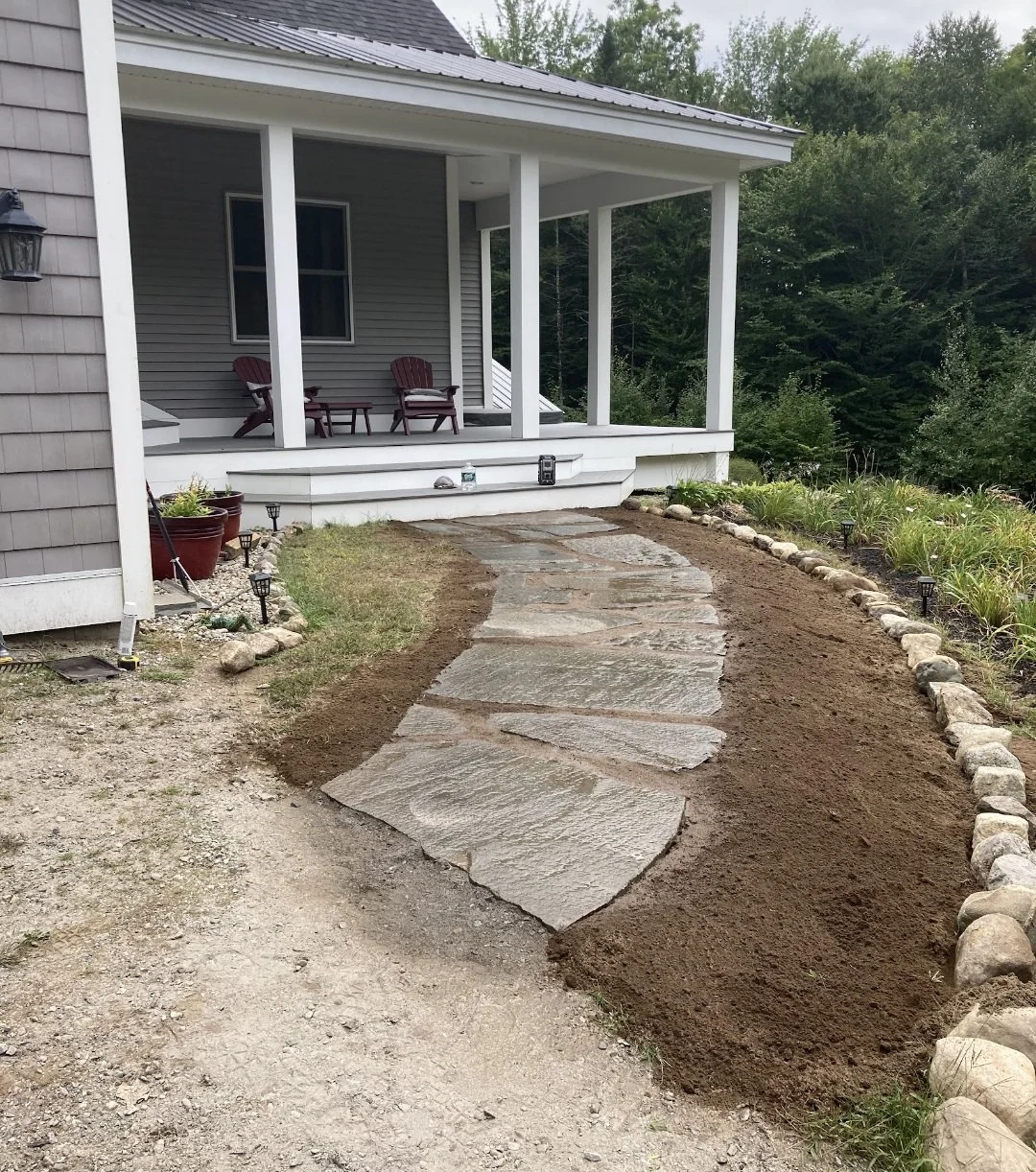
stone_walkway.jpg

Why Dry Stone Walls Work So Well In New England

(Vecteezy.com)

Perhaps the best advantage of a dry stone wall is ease of repair and the low cost of maintenance.

Should a stone move or fall off a dry wall, you just have to place it back in. No mortar, and no additional materials.

Should a section of wall fail, just pull out the stones and meticulously reset them. No need for additional materials.

With mortared walls, repairs tend to be more tedious. Mortar needs to be chipped away, stones need to be cleaned or replaced. New mortar mixed and then the wall can be reset. Same with a single stone falling off the wall.

This means dry stone walls typically have a much lower lifetime maintenance cost.

Here in New England we have a notorious freeze-thaw cycle. The ground moves with the changing of temperatures.

A wall without mortar can expand and contract with the earths movement and not fail. Proper building technique allows for mitigation of movements keeping the structure in place through changing seasons.

Mortared walls, however, cannot move independently. When the ground moves, mortar cracks, allowing water and soil to enter and cause more damage. Over time this will create a major problem and a costly repair.

For this reason, dry stacked stone last longer than mortared walls in New England.

Easier Repairs and Lower Maintenance

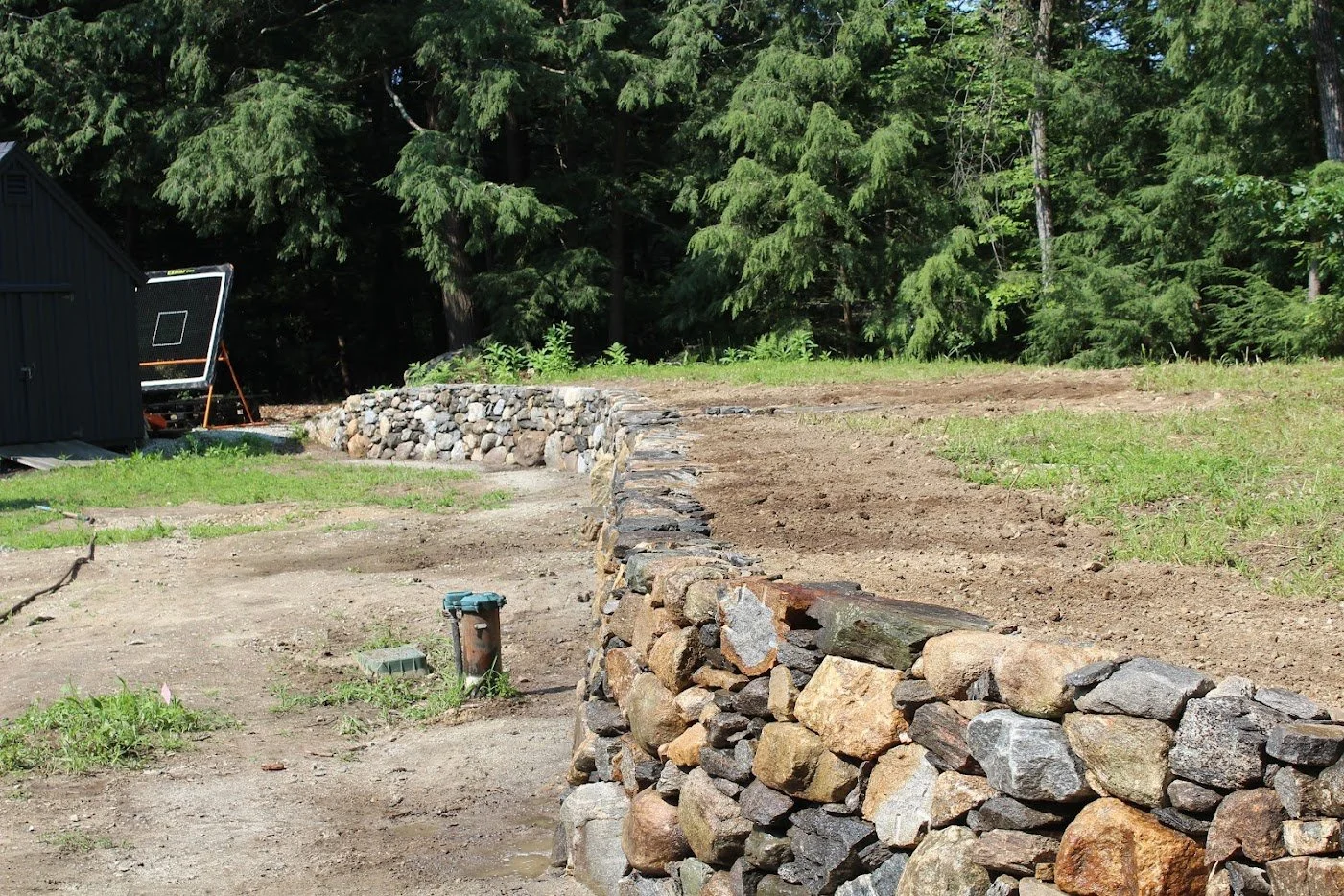
Here we see a small section of failing wall that was replaced with the same stones as before.

Natural beauty That Improves Over Time

(talkingbeautifulstuff.com)

Dry Stone walls also age like a fine wine.

Over time, each stone develops in character. Changing color, developing lichen, moss and small plants. This ads texture and blends better with the landscape.

While this is true about the stones in a mortar wall. The mortar, on the other hand gets discolored, cracks and erodes into dust. Often resulting in a need to get repointed. A process of chipping out the old mortar and replacing it along the joints. A process that adds to the maintenance cost.

An Ecological Building Method

Building a wall completely made with stone is better for the environment than adding mortar.

The stones can be sourced right on the property or locally. This reduces manufacture costs and long-distance transportation.

Mortar, however, generally requires industrial processing, mining and chemical additives.

Another advantage is that a dry wall can be built into another wall using the same materials. A mortar wall will most likely find a place being used for fill.

Dry Stone Wall Installation in Southern New Hampshire

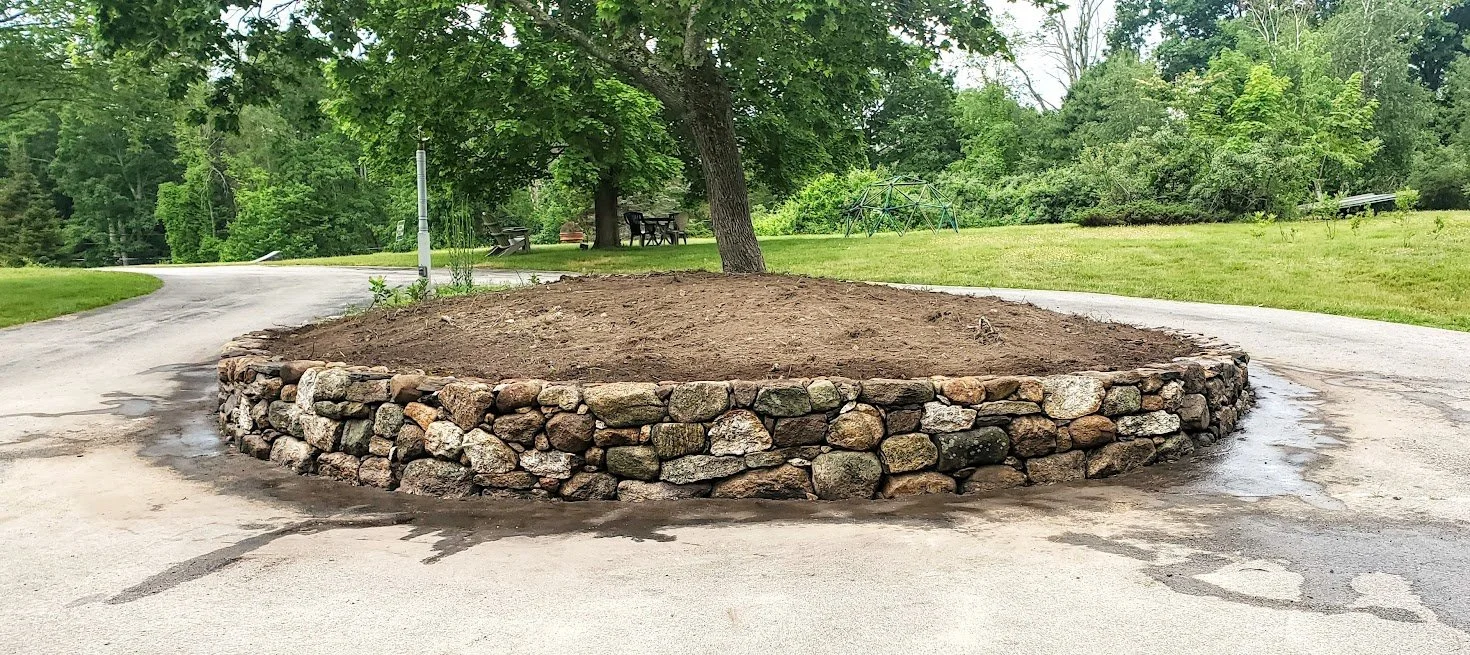
Built using only stone from the property. Excluding Goshen stone bench

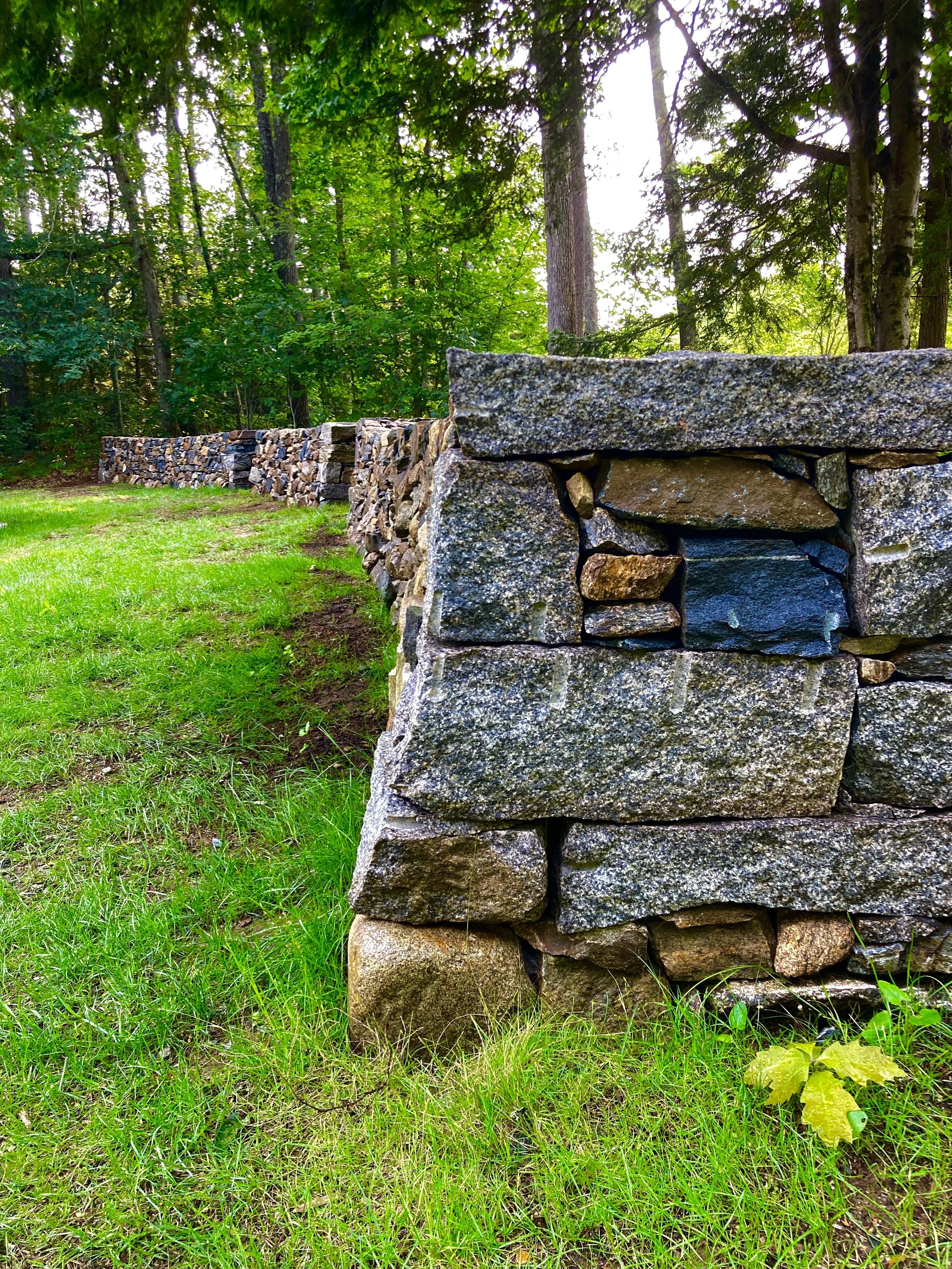
When a professional craftsman builds a wall properly it can be impeccably strong, durable and timeless.

Mortared walls can also last a long time when built correctly, however they are almost entirely unnecessary. A proper dry stone wall requires knowledge, balance, and precise stone placement.

The result is a wall that:

Lasts for generations

Requires minimal maintenance

Withstand New England’s special weather

Adds natural beauty and value to your property

Whether you are looking for fieldstone walls, natural stone steps, or a custom stone patio, traditional drystone construction offers a unique and timeless solution.

About Contact Follow